
DNA BLOG
Is Raynaud’s Disease Genetic?
Learn how your DNA may affect your risk of this cold-induced condition that causes color changes in fingers and toes known as Raynaud's Disease
Articles on DNA BLOG, written by the LifeDNA team and reviewed by our science advisors.
168 articles · page 3 of 14
Learn how your DNA may affect your risk of this cold-induced condition that causes color changes in fingers and toes known as Raynaud's Disease

Learn how genetics influence the body’s response to lithium orotate, a supplement linked to mood support and neurological health.
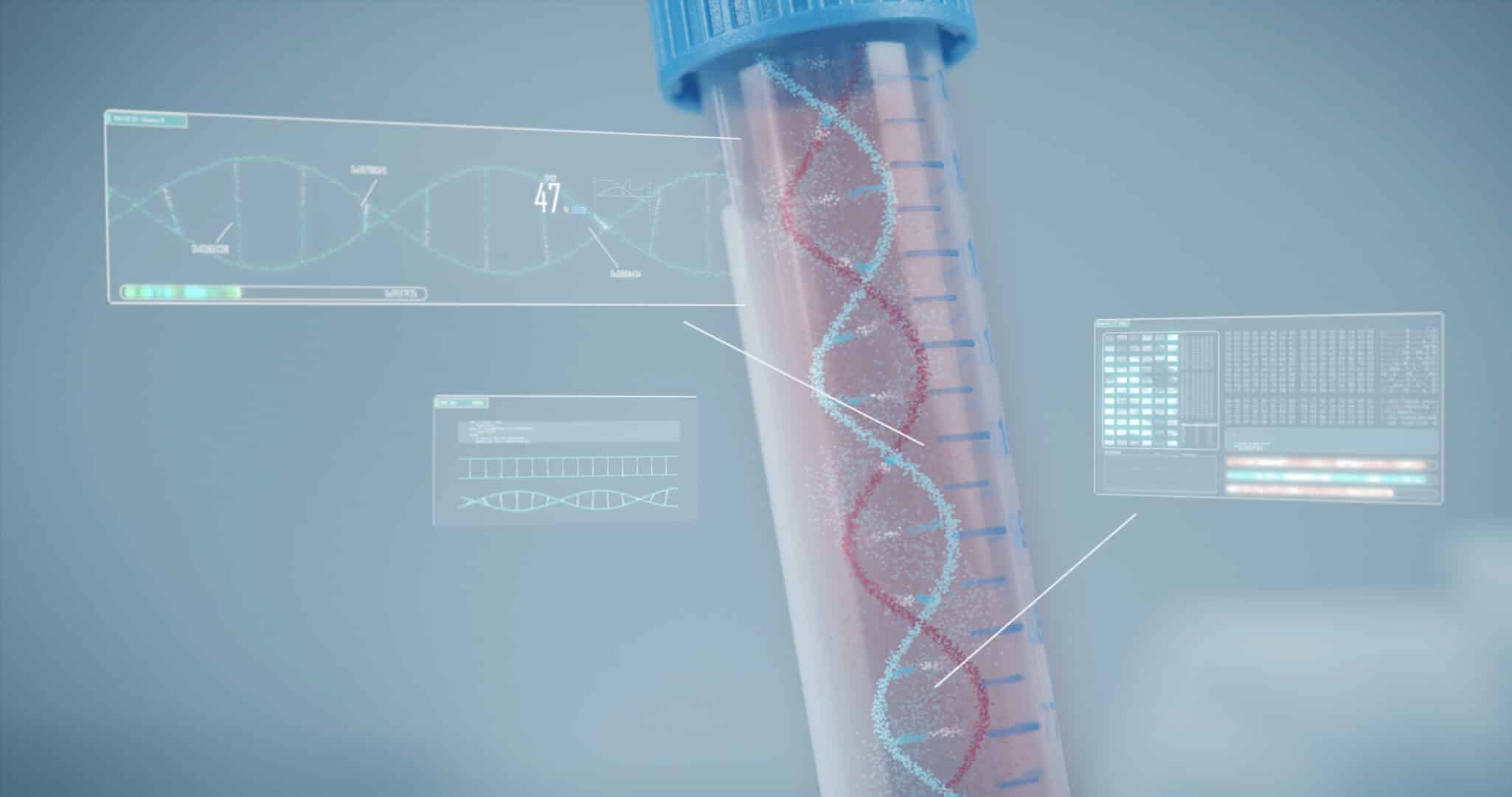
Concerned about your 23andMe genetic data? Learn how to delete your DNA records, secure your privacy, and take control of your information in this essential guide.
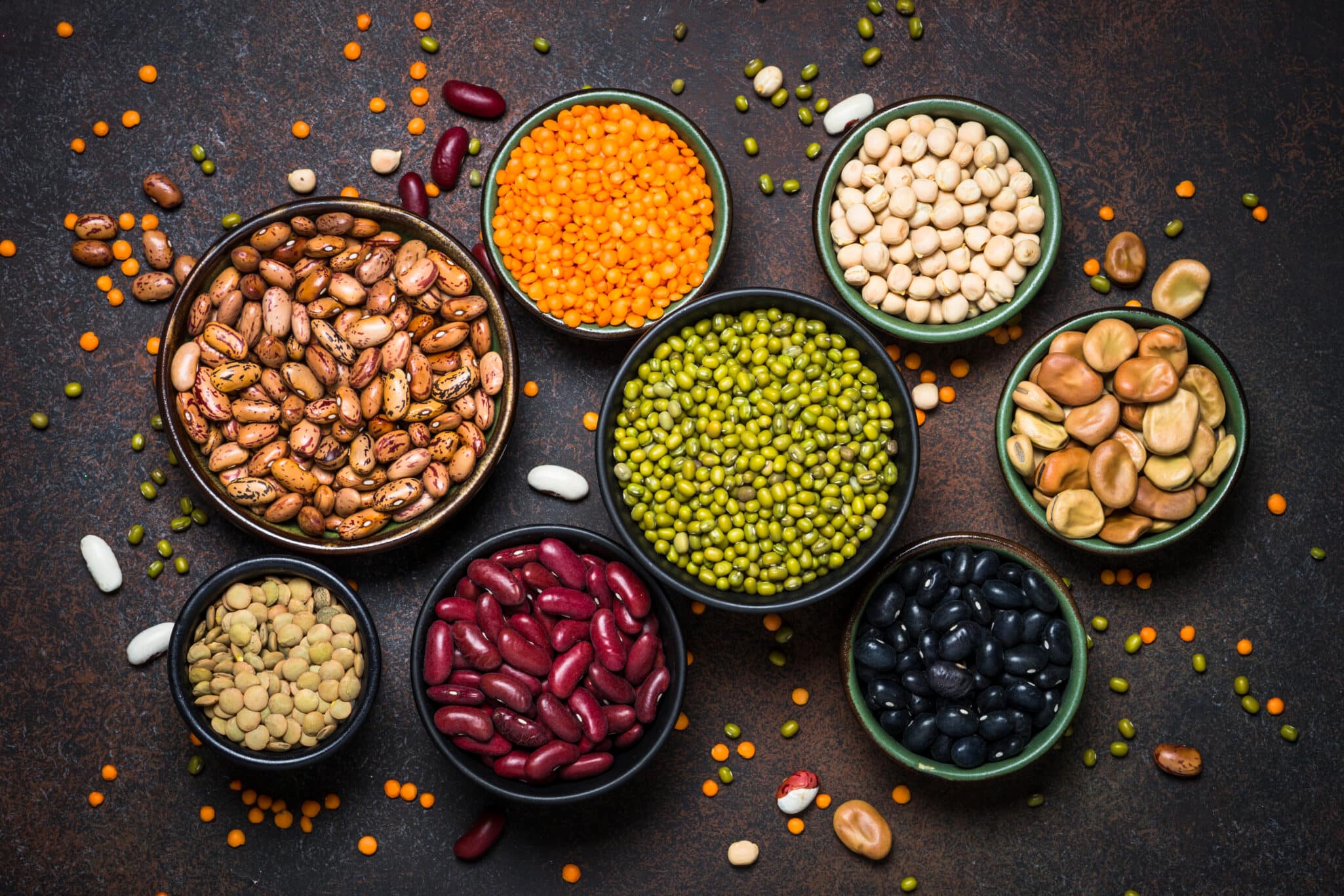
Explore how your genes may affect mercury detoxification from common food sources and what it means for your health and wellness.

Learn how phthalates—found in products like perfumes—can influence your genetic expression and long-term health through epigenetic changes.
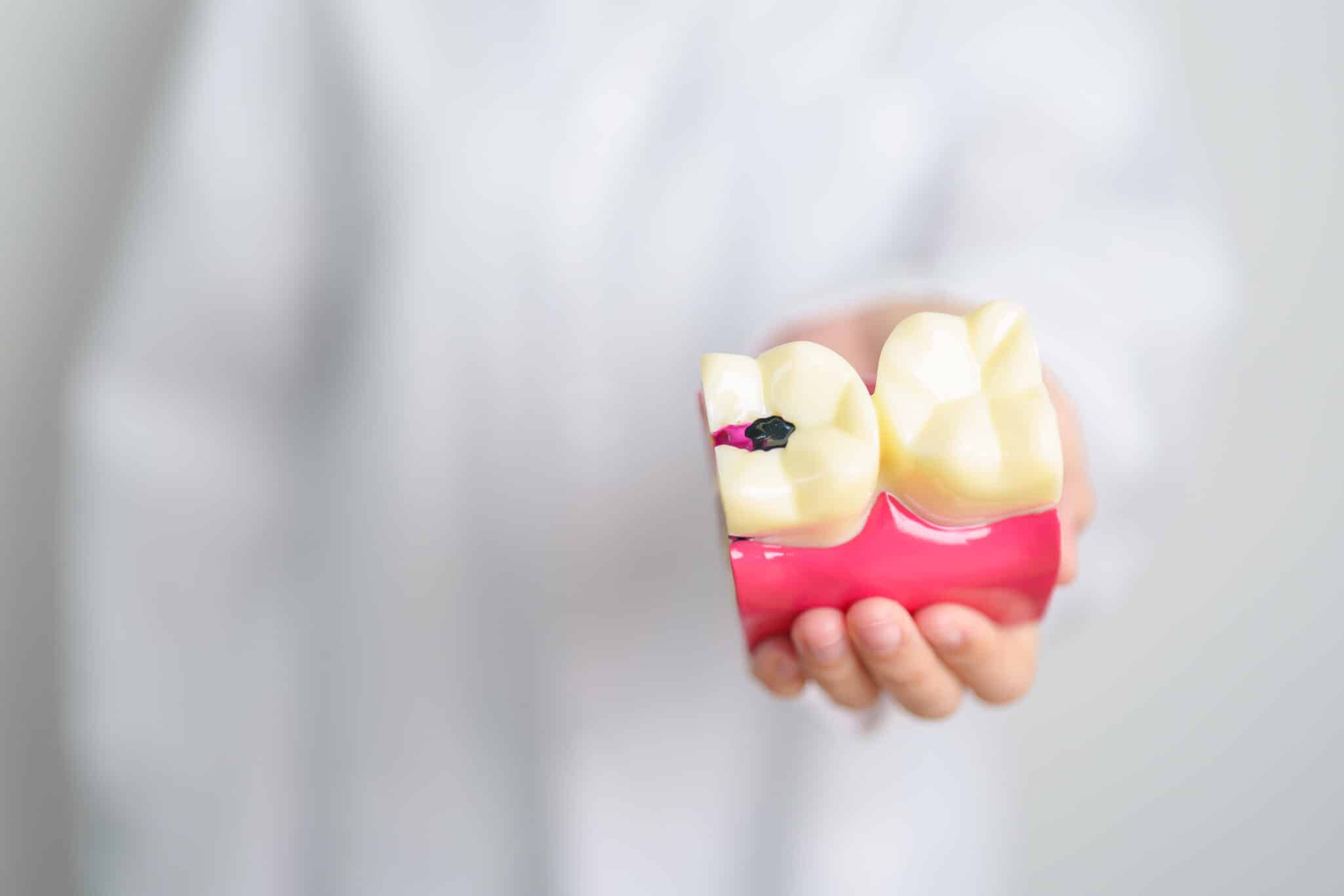
Find out if genetics plays a role in your risk of developing teeth cavities. Learn the link between DNA and dental health.

Explore the signs, symptoms, and genetic insights of Inclusion Body Myositis, a muscle disorder that affects strength and mobility.
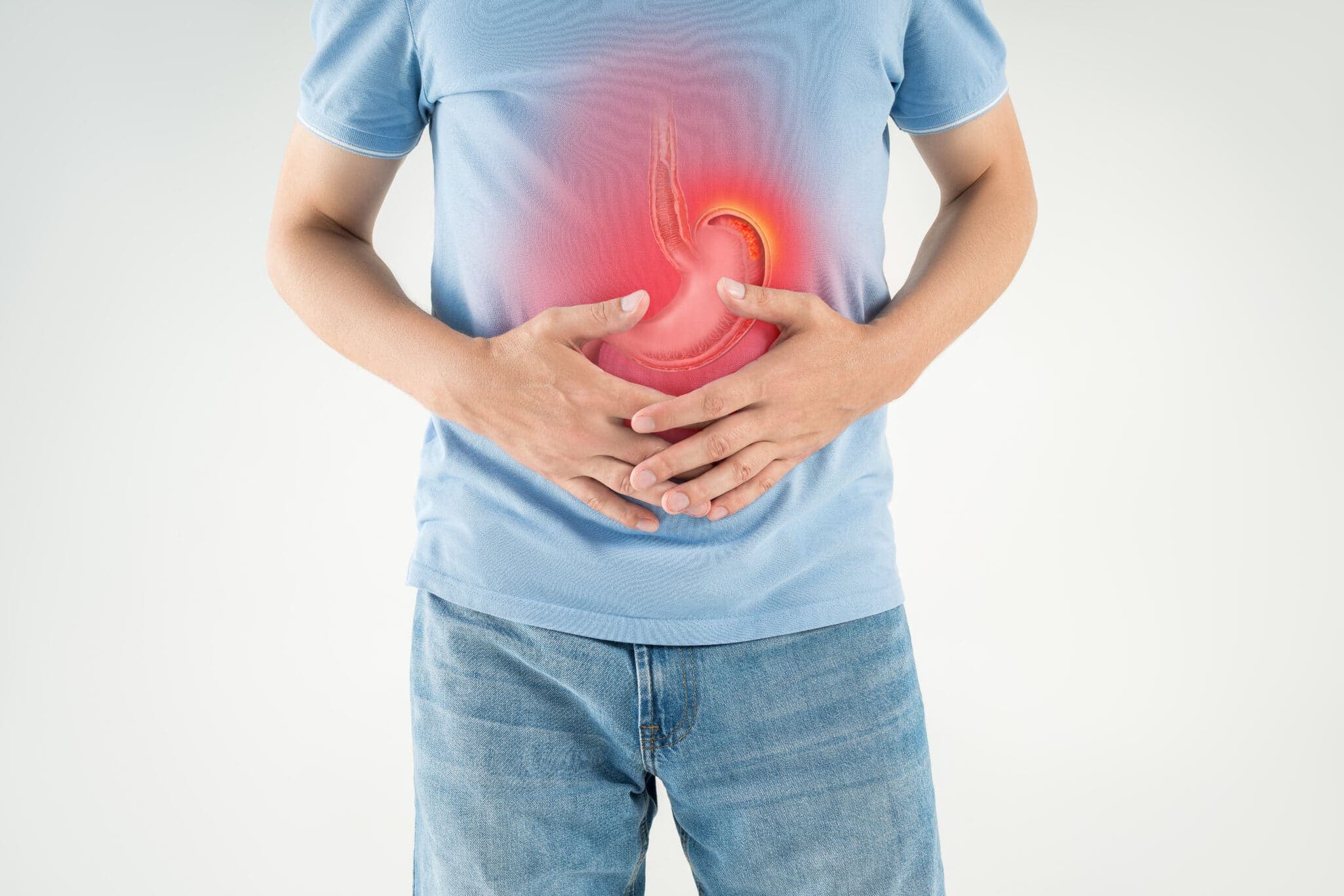
Discover how genetics contribute to pernicious anemia, an autoimmune condition that may lead to digestive issues.

Explore how genetic variations affect individual responses to metformin, a widely used medication for managing blood sugar and metabolic health.

Discover how your genes may influence your body’s response to Ashwagandha, a traditional herb known for stress relief and wellness support.
Learn he genetic basis of Tay-Sachs disease, including the role of gene mutations, inheritance patterns, and ongoing research into treatments.

Learn how mutations of genetic disposition lead to Salla disease, a rare genetic disorder and discover its inheritance pattern.