Fitness
Genetic Insights on Anxiety for A Healthier Well-Being
Break free from anxiety! Learn how genetic testing reveals predispositions, triggers & coping strategies. Expert guidance for a calmer, healthier you.
Articles on Fitness, written by the LifeDNA team and reviewed by our science advisors.
26 articles · page 1 of 3
Break free from anxiety! Learn how genetic testing reveals predispositions, triggers & coping strategies. Expert guidance for a calmer, healthier you.

Uncover the science behind HDL cholesterol, genetics, and exercise. Learn how your DNA influences heart health and optimize your wellness with personalized insights.

Walking pace refers to the speed at which a person walks, typically measured in miles per hour (mph) or minutes per mile. It indicates how fast one covers a

There are two types of recovery strategies: active post-exercise recovery (low-impact movements including yoga, walking, etc.) and passive post-exercise
The relationship between bone density and fracture risk is well-established, with lower bone mineral density (BMD) correlating strongly with increased

Have you ever heard the phrase "calories in, calories out"? This simple concept forms the foundation of energy balance, a crucial factor in weight management

Flexibility refers to the ability of a joint or series of joints to move through an unrestricted, pain-free motion range. This physical attribute is also

Discover how genetics can influence your motivation, energy levels, and preferences for leisure time physical activity.

Visceral body fat or intra-abdominal or abdominal fat is stored deep within the abdominal cavity around vital organs such as the liver, pancreas, and

Body fat percentage refers to the proportion of fat tissue relative to the total body weight. It is a crucial measure of overall health and fitness as it

Explore the genetic factors influencing hand strength. Discover how DNA affects grip force and overall muscular performance.
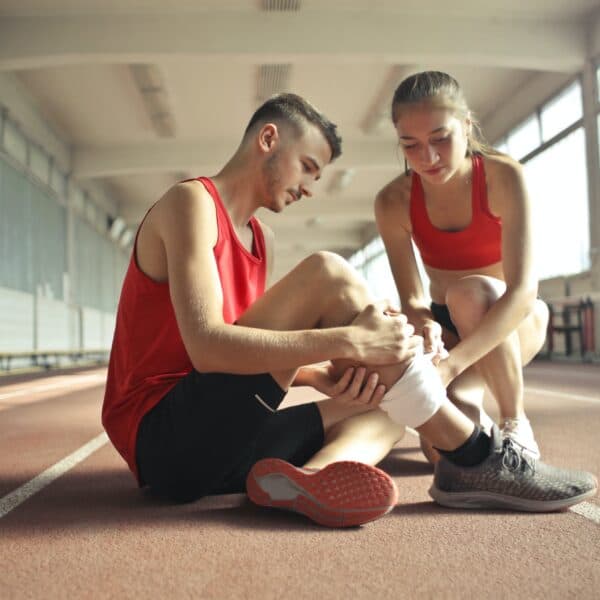
Injury predisposition refers to an individual's increased susceptibility or likelihood of experiencing injuries, whether they are acute or chronic. While some