
Immunity & Vitamins
Cortisol Levels and Genetics
Cortisol operates on a circadian rhythm called the diurnal rhythm. This rhythm governs the fluctuations of cortisol levels throughout the day, which regulates
Articles on Immunity & Vitamins, written by the LifeDNA team and reviewed by our science advisors.
40 articles · page 2 of 4
Cortisol operates on a circadian rhythm called the diurnal rhythm. This rhythm governs the fluctuations of cortisol levels throughout the day, which regulates

Discover the importance of calcium levels for bone health. Learn about genetic factors, dietary influences, and testing options to optimize your calcium levels.

Why do genetics impact melatonin levels? Uncover the secrets behind inherited sleep patterns, insomnia risk, and melatonin regulation.
Vitamin B9, also known as folate, is a water-soluble vitamin that plays a crucial role in many bodily functions. It is naturally present in various foods,
Vitamin B12, also known as cobalamin, is a water-soluble vitamin that is essential for several physiological processes, such as normal nervous system
Intriguingly, recent scientific inquiries delve into the intricate relationship between our genetic makeup and magnesium levels. How does your genetic code
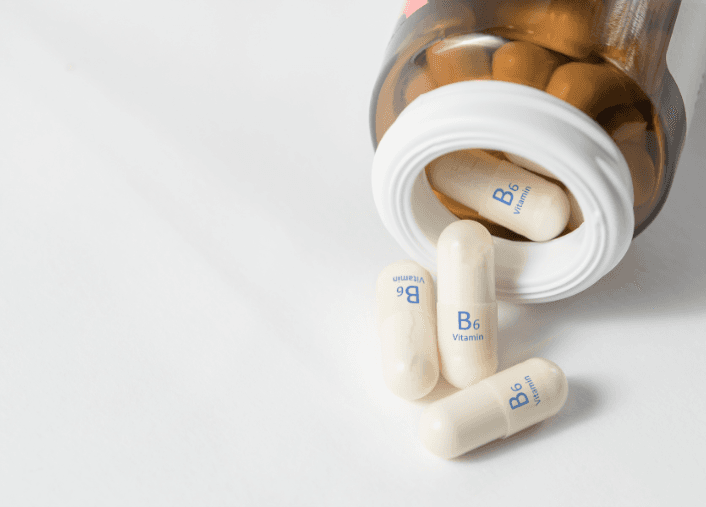
In exploring the genetic factors that impact vitamin B6 levels in the bloodstream, the ALPL and NBF3 genes have stood out as significant players.
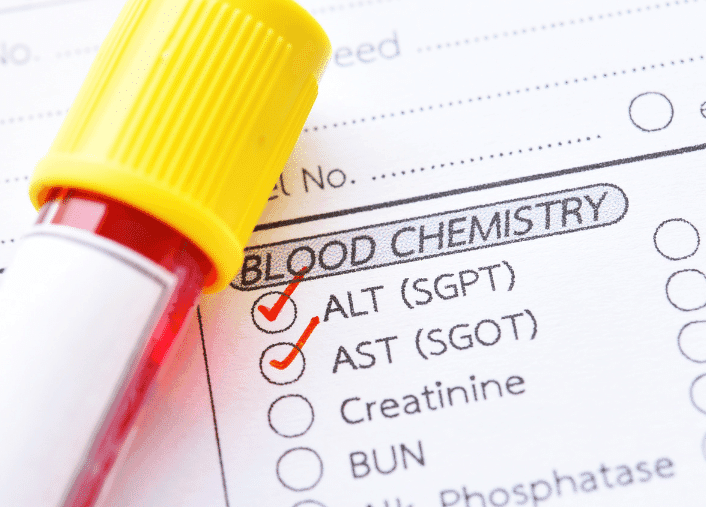
Liver enzyme levels can fluctuate, usually returning to normal or near normal. Some people with liver diseases like hepatitis C and autoimmune hepatitis have
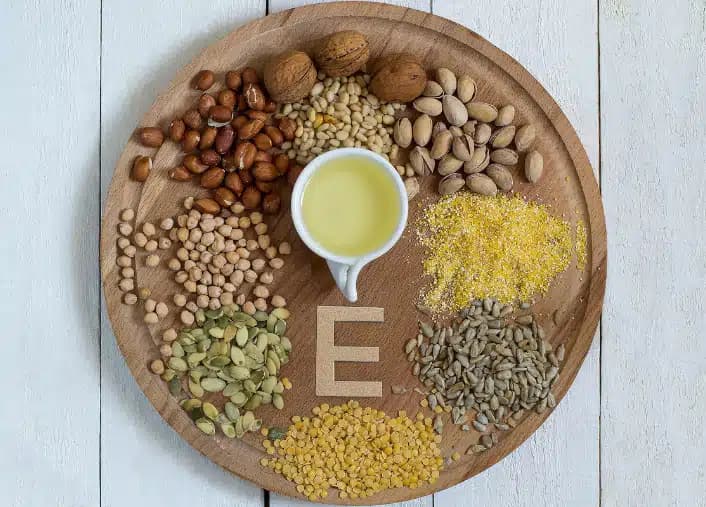
Why do Vitamin E levels vary from person to person? Uncover the genetic secrets behind antioxidant absorption and deficiency risk.

Understanding the role of copper levels in the body is crucial for maintaining overall wellness and preventing potential deficiencies or toxicities.
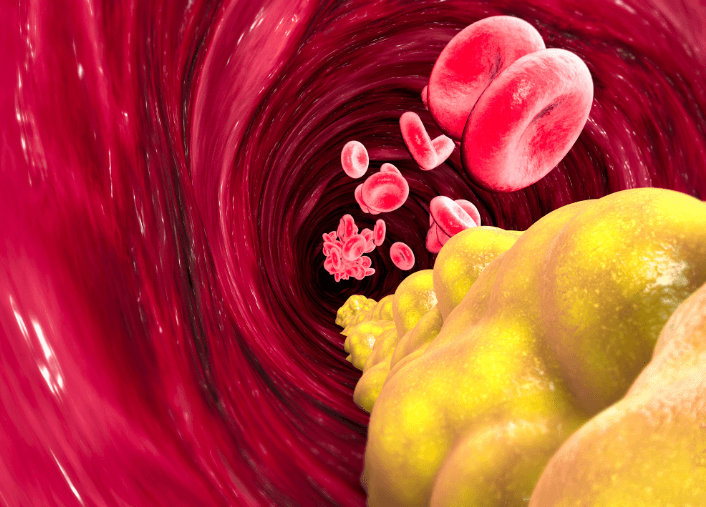
Why do Cholesterol Levels vary from person to person? Uncover the genetic secrets behind lipid metabolism, cardiovascular risk, and treatment effectiveness.
Discover the genetic factors influencing CoQ10 requirements. Learn how DNA affects absorption, utilization, and optimal levels.