Fitness
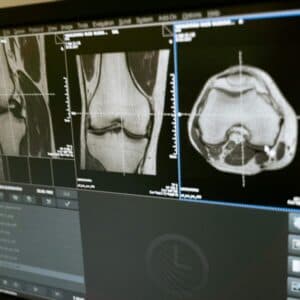
A Genetic Exploration of Bone Density and Fracture Risk
The relationship between bone density and fracture risk is well-established, with lower bone mineral density (BMD) correlating strongly with increased
Genetics, DNA testing and personalized wellness, written by the LifeDNA team and reviewed by our science advisors.
428 articles · page 19 of 36
The relationship between bone density and fracture risk is well-established, with lower bone mineral density (BMD) correlating strongly with increased

The LifeDNA Fitness Report offers a personalized analysis of how genetic factors can shape an individual's fitness journey.

Gene editing (also called as genome editing) is a scientific method that allows for precisely altering an organism's DNA. This innovative technology enables

Phosphorus is essential for the synthesis of neurotransmitters and the structural integrity of neuronal membranes. Adequate phosphorus levels support proper

Docosahexaenoic acid (DHA) is a type of omega-3 fatty acid vital for our health, and DHA levels in our bodies play a significant role in our overall well-being.

Antioxidants are molecules that neutralize free radicals in the body. Free radicals are compounds that can cause harm if their levels become too high. They

Thyroid hormones influence various tissues and organs that are essential for normal growth and development, particularly in the central nervous system and

Muscle mass loss is the gradual decline in muscle tissue that occurs as a natural part of aging. This process is not just a matter of getting weaker; it can

Explore the genetic basis of risk-taking. Discover how DNA influences decision-making, impulsivity, and sensation-seeking behaviors.

Have you ever heard the phrase "calories in, calories out"? This simple concept forms the foundation of energy balance, a crucial factor in weight management

Shrimp allergy is a common type of shellfish allergy that can cause a range of symptoms from mild to severe. It is an immune system reaction triggered by

A genome-wide association study analyzed genetic variations linked to blood copper, selenium, and zinc levels in Australian and UK cohorts. The study