Immunity & Vitamins
Does Genetics Influence Liver Enzyme Levels?
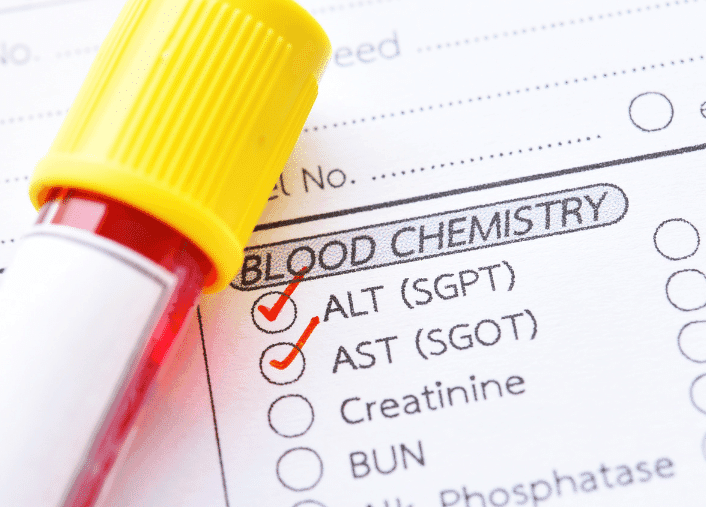
Liver enzyme levels can fluctuate, usually returning to normal or near normal. Some people with liver diseases like hepatitis C and autoimmune hepatitis have
Genetics, DNA testing and personalized wellness, written by the LifeDNA team and reviewed by our science advisors.
428 articles · page 29 of 36
Liver enzyme levels can fluctuate, usually returning to normal or near normal. Some people with liver diseases like hepatitis C and autoimmune hepatitis have

Injury predisposition refers to an individual's increased susceptibility or likelihood of experiencing injuries, whether they are acute or chronic. While some

Why do some people love exercising while others struggle? Explore the genetic factors behind Motivation to Exercise, endurance, and athletic performance.
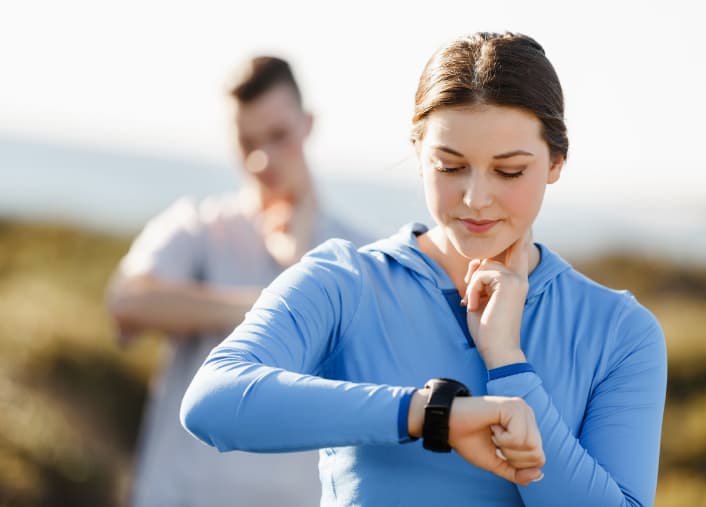
Exercise heart rate recovery (EHRR) measures how promptly the heart rate returns to its resting state after a period of intense exercise. This calculation
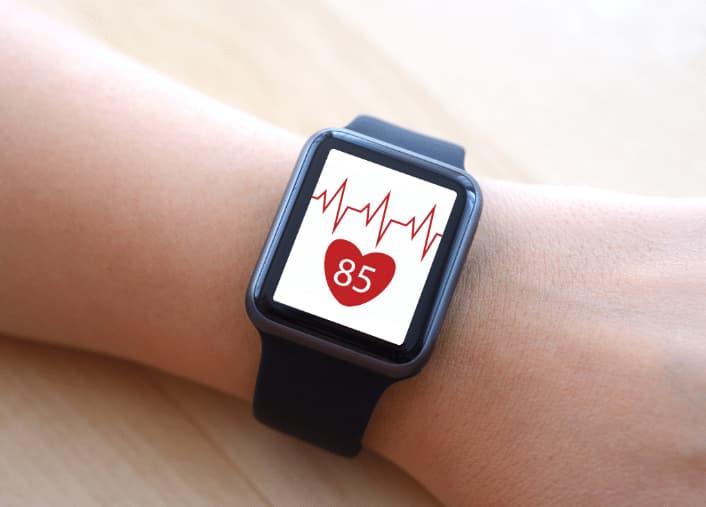
Why do Resting Heart Rates vary from person to person? Uncover the genetic secrets behind RHR, cardiovascular health, and athletic performance.

Discover the genetic factors influencing your breakfast preferences. Learn how DNA affects taste, appetite, and nutrition.
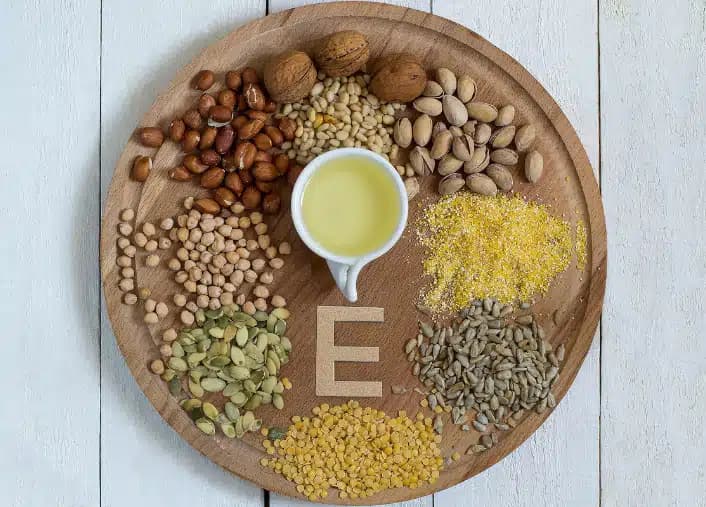
Why do Vitamin E levels vary from person to person? Uncover the genetic secrets behind antioxidant absorption and deficiency risk.

Understanding the role of copper levels in the body is crucial for maintaining overall wellness and preventing potential deficiencies or toxicities.
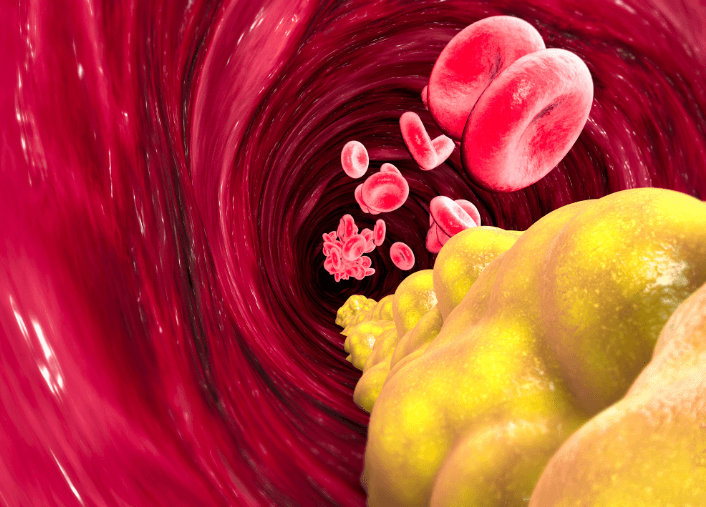
Why do Cholesterol Levels vary from person to person? Uncover the genetic secrets behind lipid metabolism, cardiovascular risk, and treatment effectiveness.
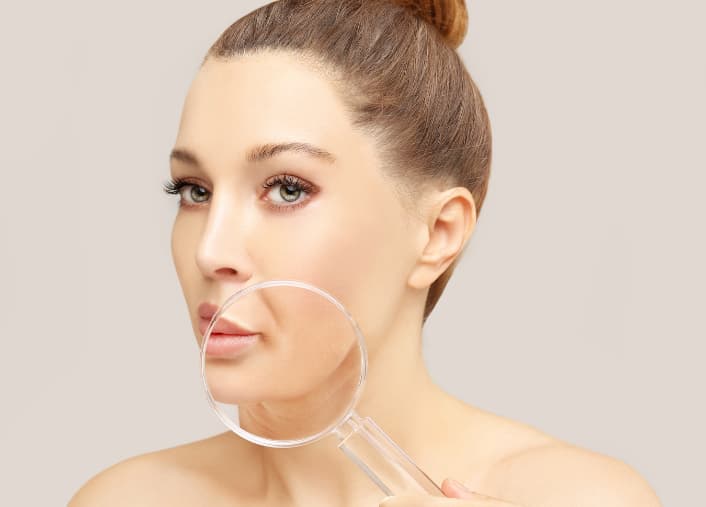
Unlike a medical condition or a clear sign of aging, nasolabial folds go through a change in visibility over time. Initially more noticeable during

Learn about Polygenic Risk Scores (PRS) and their role in predicting disease susceptibility. Discover how PRS can inform personalized health strategies.

Neuroticism is a personality trait characterized by a tendency towards anxiety, moodiness, worry, envy, and frustration. It is one of the five prominent